← Back to Spotlight
Landing in Canada is landing in space. The sky is enormous, the roads run straight to the horizon, and the distances between things are measured in hours, not minutes. Then winter arrives, and you understand why Canadians talk about the weather the way other people talk about family — with respect, and a little fear.
But this is also a country that was built, quite deliberately, out of newcomers. Canada doesn't just tolerate immigration; it organises itself around it. For a Filipino worker, that matters more than almost anything else: here, you are not a guest who overstayed. You are exactly who this country says it is.
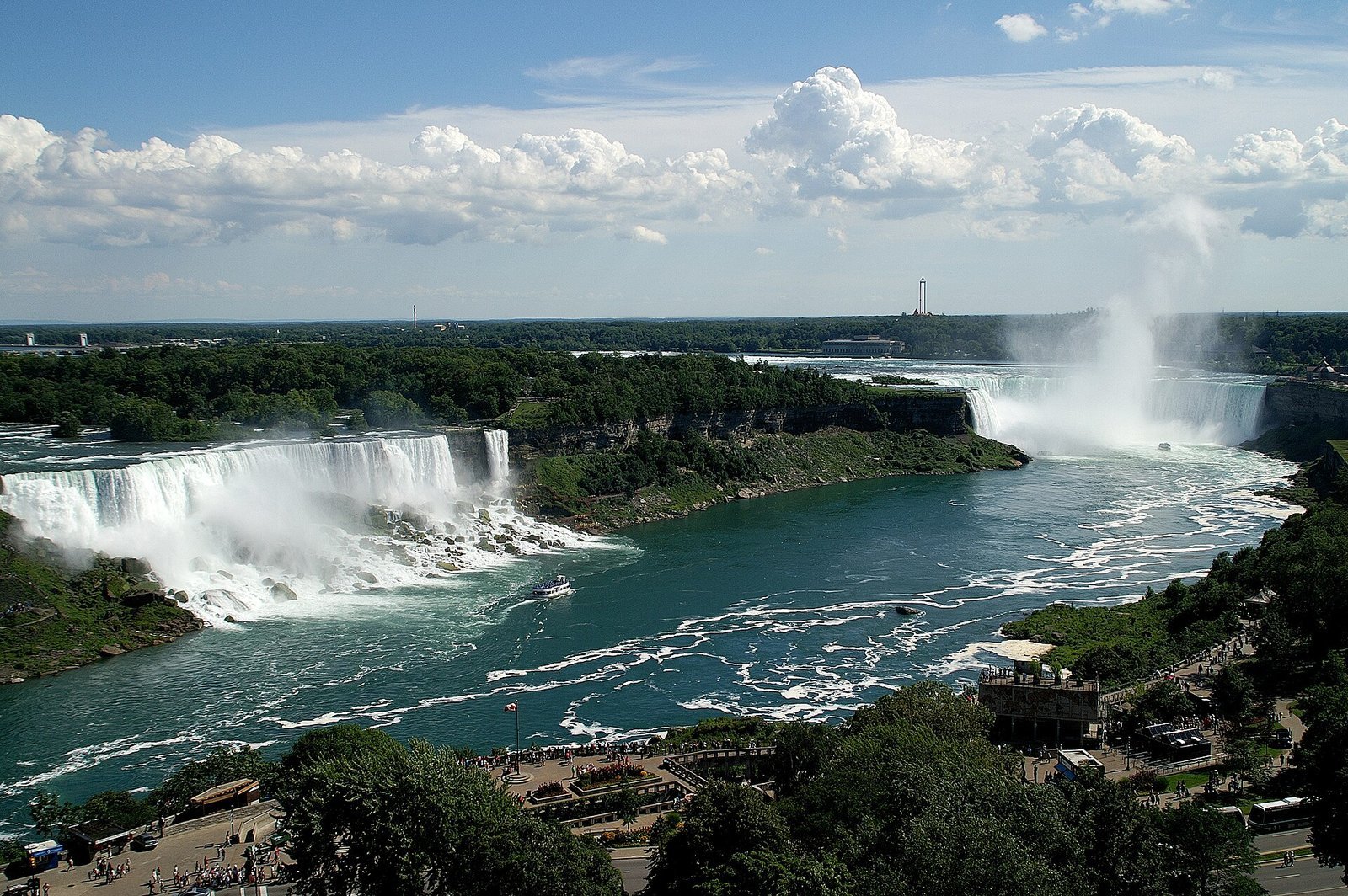
Niagara Falls — the thundering border between Canada and the United States, and one of the great sights of the natural world. Photo: Saffron Blaze / Wikimedia Commons (CC BY-SA 3.0)
The Cities Worth Knowing
Toronto — The Filipino Capital
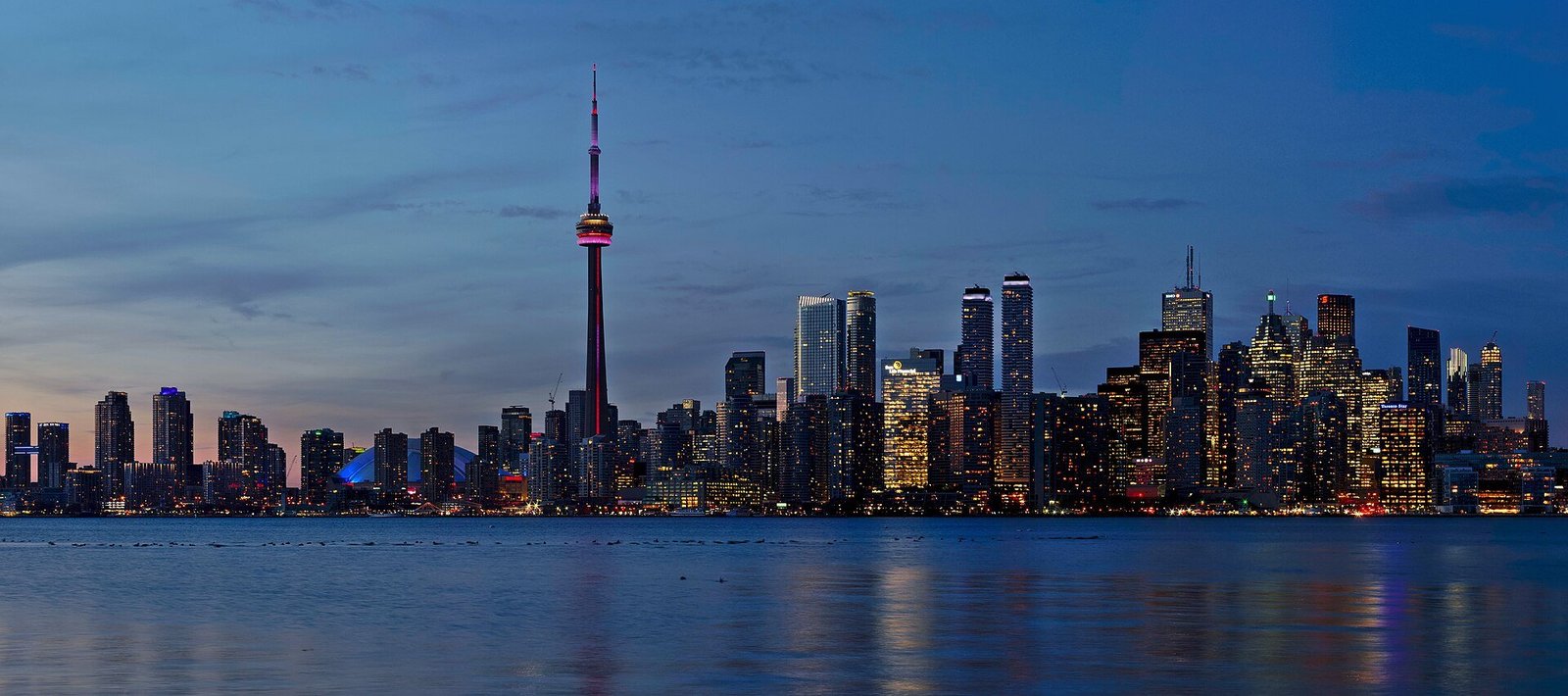
Toronto is the biggest city in Canada and the beating heart of Filipino life in the country. Along Bathurst Street and around Wilson Avenue, the city has long had its own Filipino pockets — remittance shops, Jollibee, karaoke bars, and churches where Tagalog fills the pews on Sunday. Roughly half of Ontario's Filipino population lives in and around the Greater Toronto Area.
The city itself is a mosaic in the truest sense: more than half of its residents were born outside Canada, and entire blocks change language from one corner to the next. The CN Tower rises over the harbour, Kensington Market bubbles with food and street life, and in summer the whole place runs on patios and festivals.
🍽 Eat here: A peameal bacon sandwich from the St. Lawrence Market, and — because this is Toronto — real Filipino food too. The city's Filipino restaurants and bakeries are among the best outside the Philippines.
💡 Insider tip: Get a PRESTO card for the TTC, then head to the Toronto Islands by ferry — 15 minutes from downtown and a world away, with the skyline laid out across the water.
Vancouver — Between the Mountains and the Sea
Vancouver is the most beautiful big city in Canada, if not the most expensive. Downtown skyscrapers look across the water to snow-capped mountains, and Stanley Park — larger than Central Park — wraps around the edge of the city. The climate is the mildest in Canada: rain instead of snow, and cherry blossoms in spring.
It is also the gateway to the Pacific and one of the most Asian cities in North America, with large Filipino, Chinese, South Asian and Vietnamese communities. The trade-off is cost: housing in Vancouver is among the least affordable anywhere on the continent.
🍽 Must try: Spot prawns and salmon fresh off the Pacific coast, and a stroll through the Richmond Night Market for food from across Asia — including, of course, the Filipino stalls.
💡 Insider tip: Drive the Sea-to-Sky Highway to Whistler, or catch the SeaBus across to the North Shore for the Lonsdale Quay market. The mountains are not a day trip here — they are practically the backyard.
Montreal — The French City
Montreal is Canada's second-largest city and its most European — a place where the language on the street is French, the architecture is centuries old, and the café culture stretches late into the night. Old Montreal's cobbled lanes and the twin towers of Notre-Dame Basilica feel a continent away from the glass towers of Toronto.
It is officially bilingual, but French is the everyday language of public life, and a little effort with it goes a long way. Historically, Montreal's biggest wave of Filipino workers arrived as live-in caregivers in the 1980s and 1990s; today the community is smaller than Toronto's but firmly rooted.
🍽 Eat here: A wood-fired Montreal-style bagel (sweeter, denser, and boiled in honey water), a smoked-meat sandwich from Schwartz's, and a late-night plate of poutine — this is where it was born.
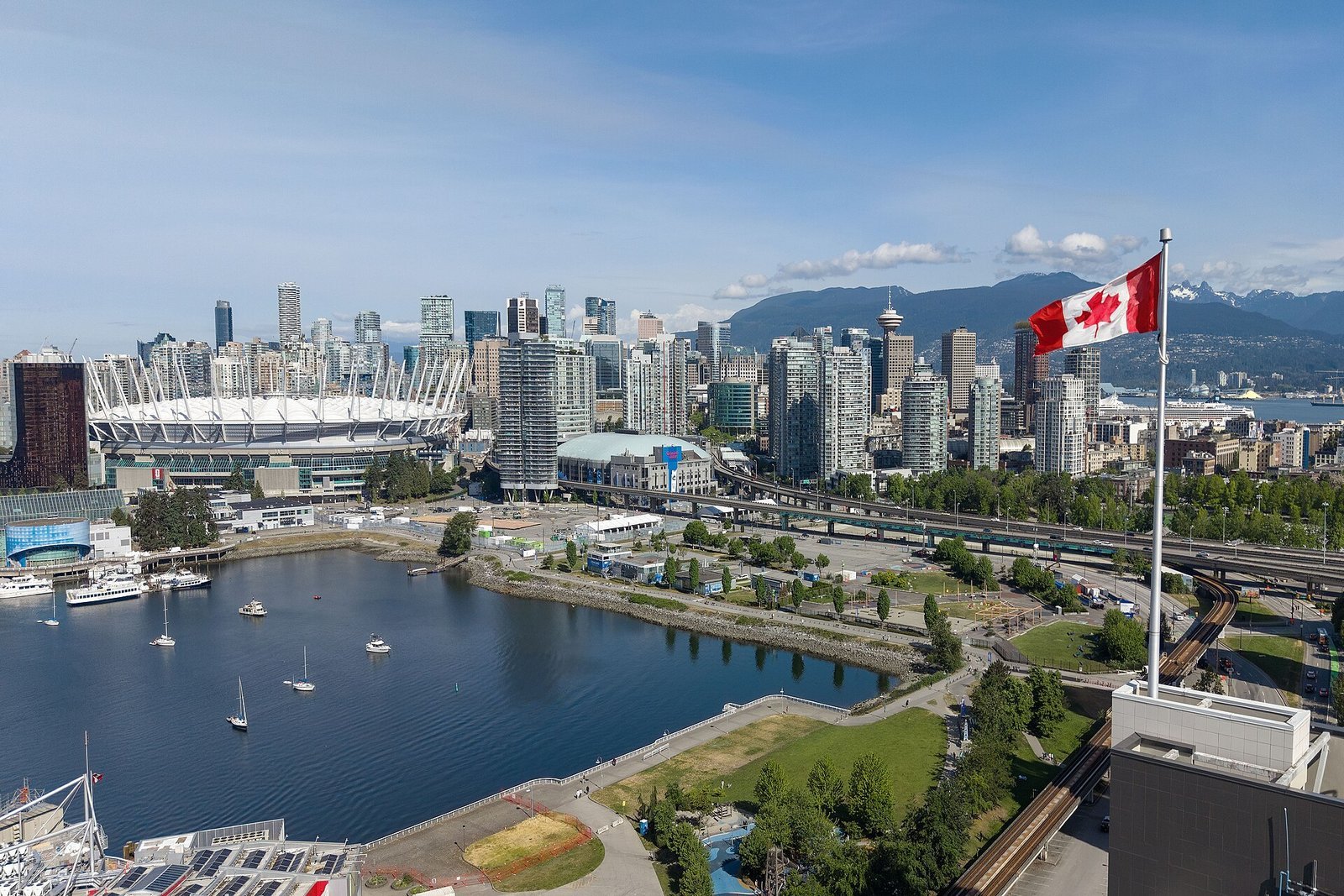
Vancouver — glass towers, harbour, and the Coast Mountains rising straight out of the city. Photo: Quintin Soloviev / Wikimedia Commons (CC BY 4.0)
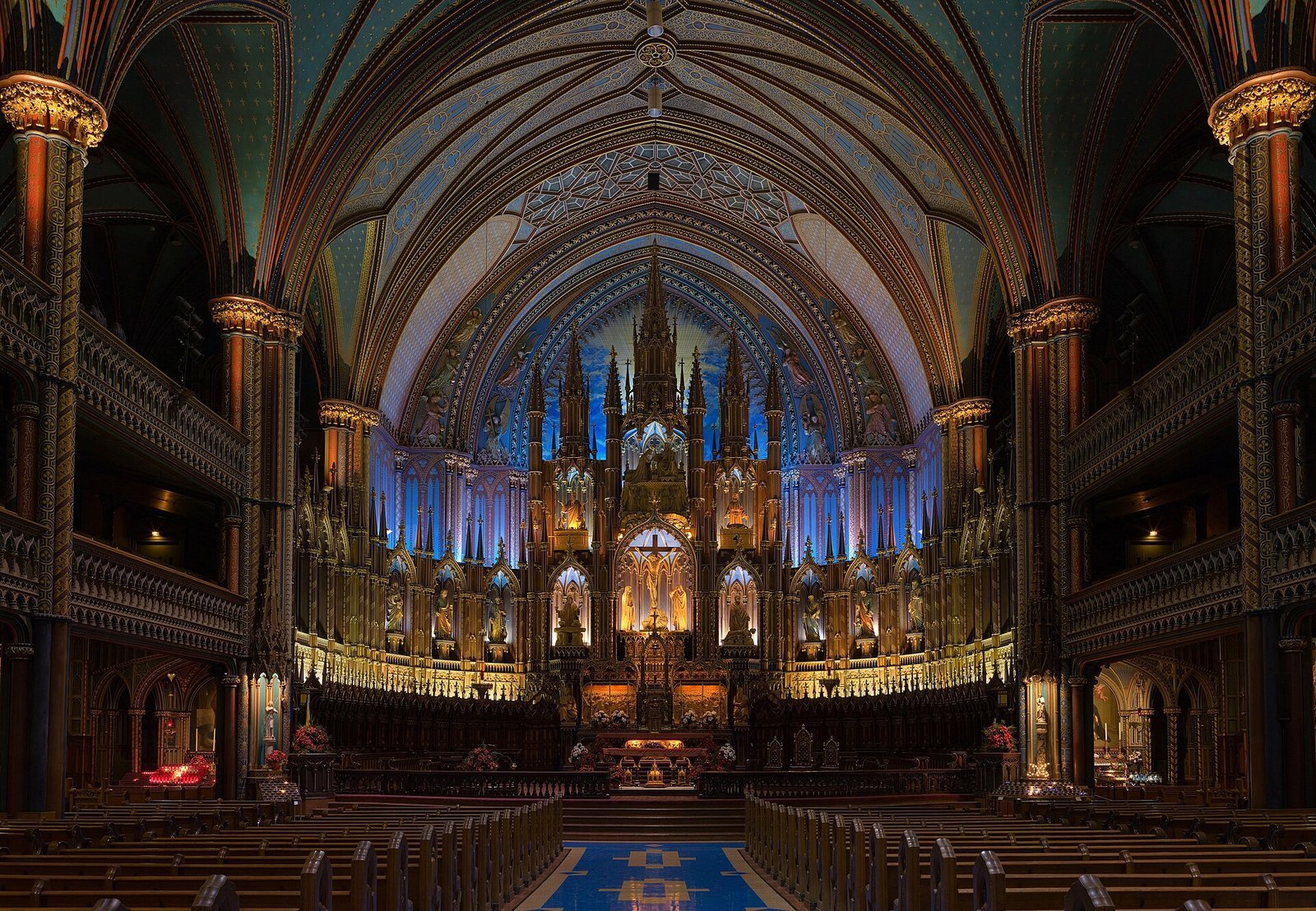
Inside Notre-Dame Basilica, Old Montreal — the deep blue and gold heart of Canada's French city. Photo: Diliff / Wikimedia Commons (CC BY-SA 3.0)
The Food You Will Dream About
Canadian food is a cuisine of cuisines — Indigenous roots, French and British foundations, and every immigrant kitchen since, all borrowing from a landscape of maple, salmon, wild berries and beef. It is comfort food with a story.
🍟 Poutine
Fries buried under squeaky cheese curds and hot gravy. Born in rural Quebec in the 1950s, now the national comfort food — and best after midnight.
🥧 Butter Tarts
A distinctly Canadian pastry — flaky shells filled with a gooey butter, sugar and egg centre, sometimes studded with raisins or pecans.
🥩 Tourtière
Quebec's spiced meat pie, traditionally eaten at Christmas and Réveillon. Pork (sometimes with beef or game) in a fragrant pastry crust.
🍫 Nanaimo Bars
A no-bake triple-layer bar from British Columbia — chocolate and coconut base, custard buttercream middle, chocolate top. Dangerously good.
🍁 Maple Syrup
The national flavour, tapped from sugar maples and boiled down in a sugar shack each spring. Pour it over pancakes, snow, or almost anything.
🥓 Peameal Bacon
Toronto's own — back bacon rolled in cornmeal, grilled and served in a soft bun. The city's signature street sandwich at the St. Lawrence Market.
"A mari usque ad mare."
— "From sea to sea." Canada's national motto — and a fair description of how far you'll have travelled to get here.

Poutine — fries, cheese curds and gravy, Quebec's gift to the rest of the country (and the world). Photo: Safyrr / Wikimedia Commons (CC BY-SA 4.0)
Hockey, Winter, and the Great Outdoors
If politeness is Canada's public face, hockey is its private religion. From pond rinks to the deafening arenas of the NHL, the game runs through the national bloodstream. Pick a team, learn the names, and you have a conversation starter for life — and if your children grow up here, chances are a pair of skates will too.
Then there is the outdoors itself. Canada is a country of national parks, lakes you can drink from, and forests that go on for days. In summer, Canadians flee to the cottage; in winter, they embrace the cold — skating on frozen canals, skiing the Rockies, and building festivals around the snow.
The winters are real. From December to March, the prairies and the east can sit well below freezing, with heavy snow and short, dark days. It is not a place to take lightly — but it is also not a place winter defeats. Canadians have mastered it: layers, boots, block heaters for the car, and a national talent for making the most of a short summer.
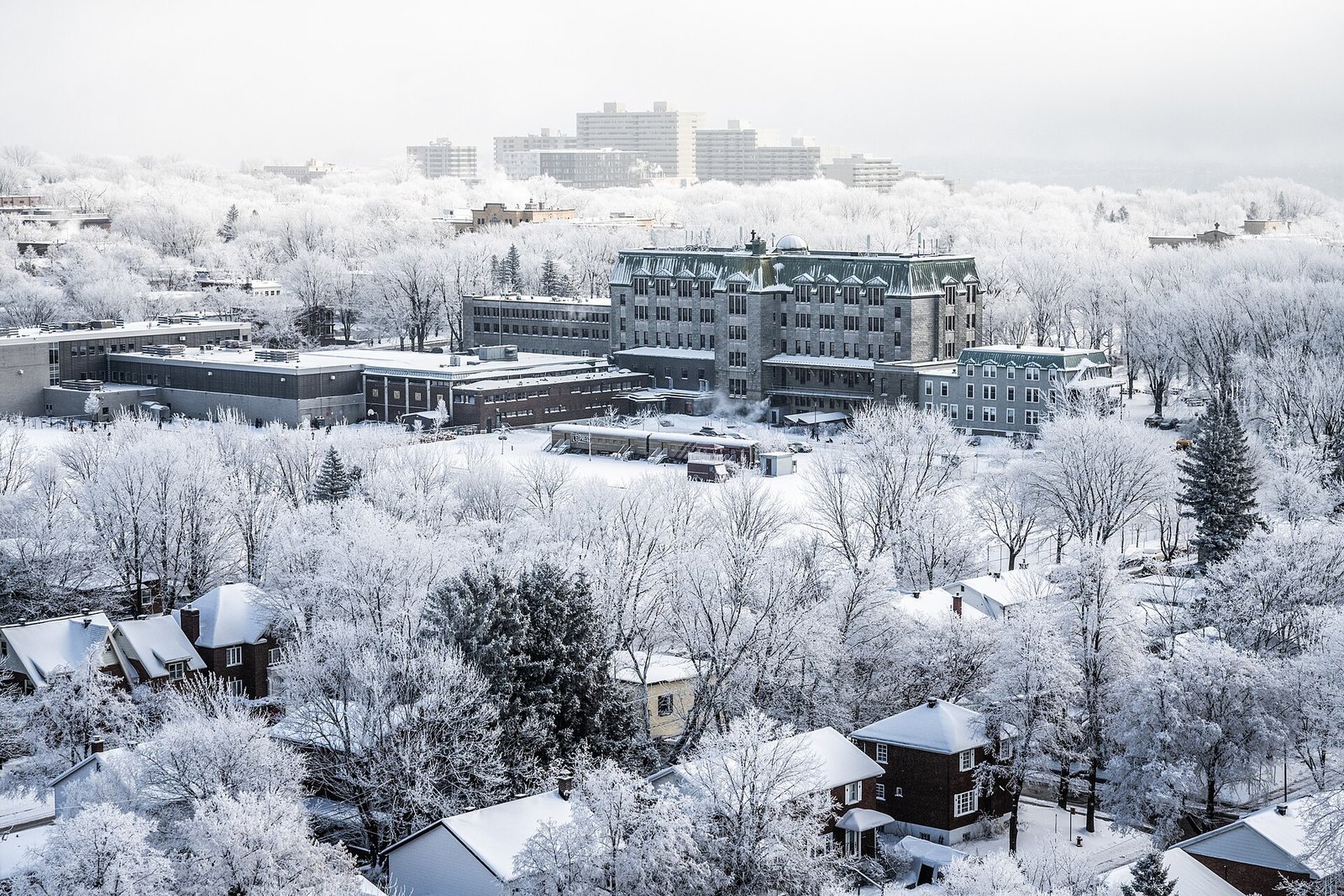
Winter, Canadian-style — snow on every roof and branch. Beautiful from the window; a skill to live in. Photo: Wilfredor / Wikimedia Commons (CC0)
A Country Bigger Than the Sky
Canada is the second-largest country on Earth and has the longest coastline of any nation — a coastline that would circle the planet several times. To understand it, you have to divide it up.
The Canadian Rockies in the west are the postcard: turquoise lakes like Moraine and Lake Louise, glaciers, and peaks that scrape the clouds. The prairies roll flat and golden for a thousand kilometres. In the east, the Atlantic coast brings fishing villages, whales and Celtic music, while Ontario holds the Great Lakes — a fifth of the world's fresh surface water. And far to the north, the territories hold the true Arctic: tundra, polar bears, and the aurora borealis rippling green across the winter sky.
Don't miss: the northern lights, best seen from the Yukon or the Northwest Territories between autumn and spring. No photograph quite prepares you for them.
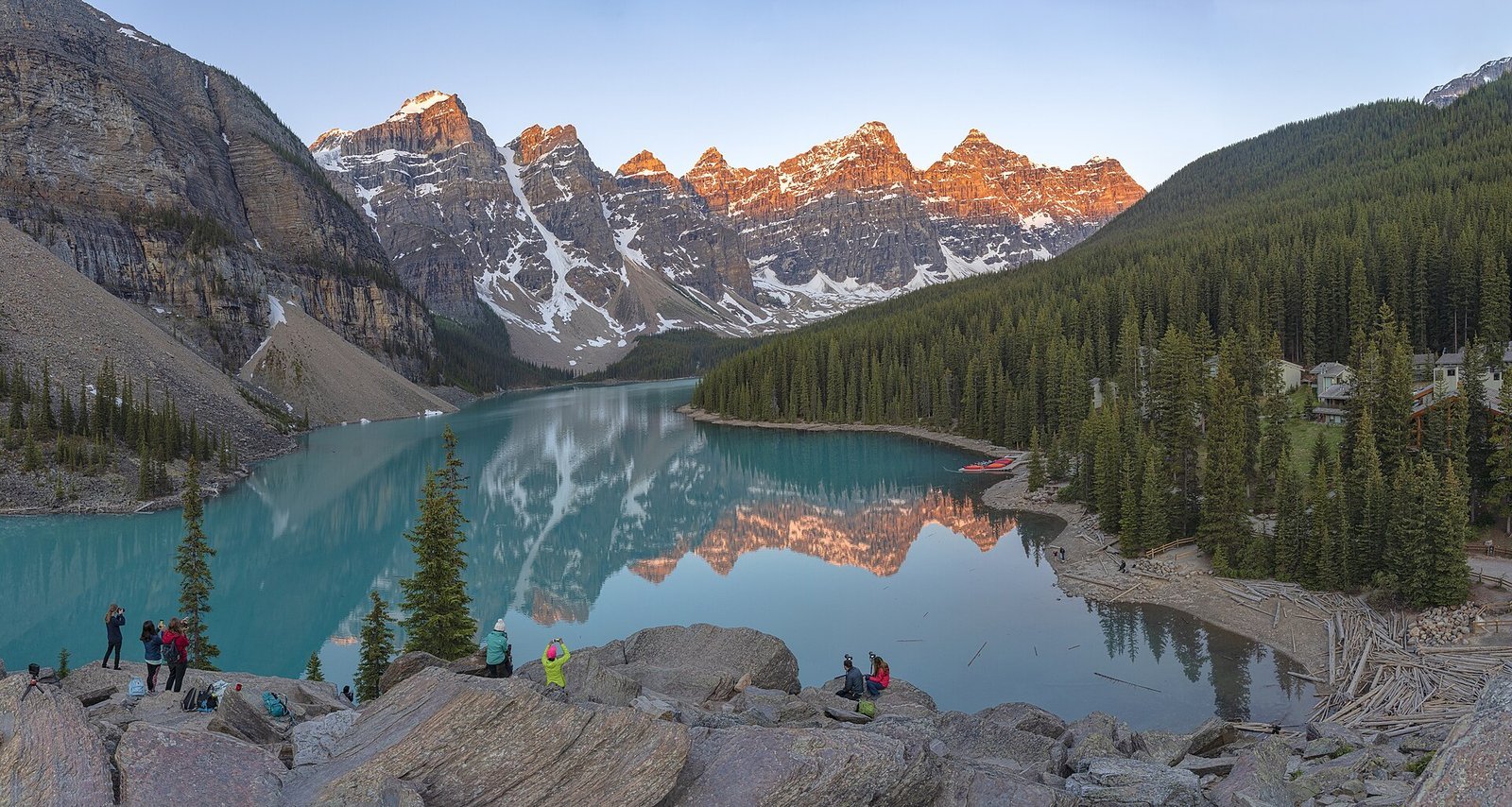
Moraine Lake and the Valley of the Ten Peaks, Banff National Park — the turquoise heart of the Canadian Rockies. Photo: Chensiyuan / Wikimedia Commons (CC BY-SA 4.0)
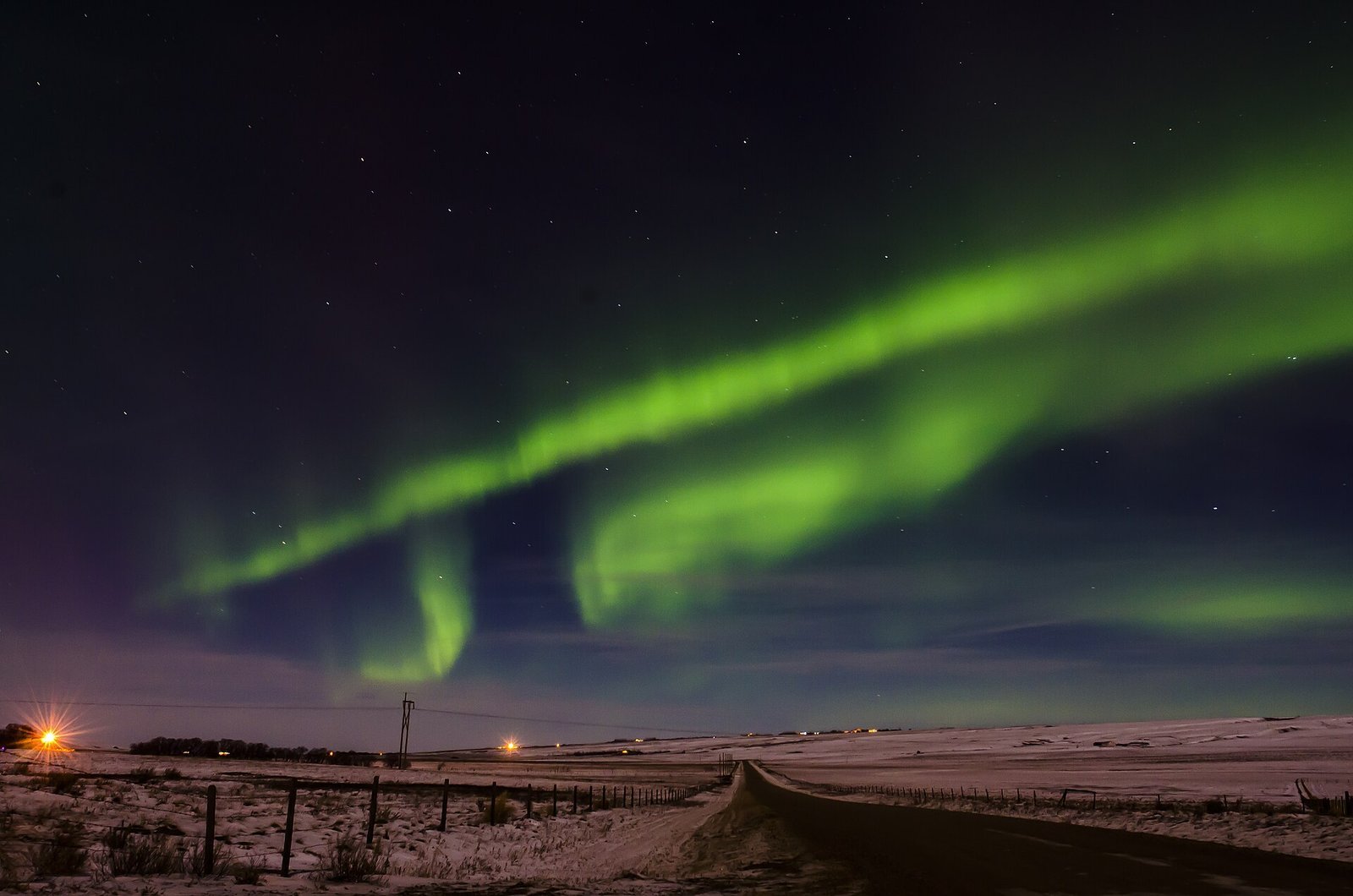
The aurora borealis over a Canadian winter — the north's reward for the dark months. Photo: Alex Slaven Photography / Wikimedia Commons (CC BY 2.0)
How Canadians Live — A Short Manual
Canadians are polite, low-key and genuinely multicultural — but there are a few rules of the road worth learning early. Master them and you'll fit in within a season.
🙏
"Sorry" is a reflex
Canada apologises for everything, including things that aren't its fault. Hold doors, queue patiently, and say thank you. Politeness is the national currency.
🧣
Winter is a skill
Buy real boots and a proper coat before your first December. Learn to layer, shovel, and stay warm — and the cold becomes something you can actually enjoy.
🏒
Hockey is the language
You don't have to play — but knowing the game, a team, and a few names will open doors in any office or neighbourhood.
🍁
A mosaic, not a pot
Canada asks you to keep your culture, not lose it. Everyone celebrates everyone — and Filipino fiestas and food are part of the mix.
Why This Country Matters
For Filipinos, Canada is not a side note — it is one of the great destinations of the diaspora. At the 2021 Census, 957,355 people in Canada identified as Filipino, or 2.58% of the population. That is nearly four times the number recorded in 1996, and it makes Filipino Canadians the second-largest overseas Filipino community in the world, after the United States — and the largest Southeast Asian group in the country.
The story runs deep. Filipino nurses and teachers began arriving in Winnipeg in the 1960s; the 1980s brought contract workers, many as live-in caregivers under the Live-In Caregiver Program; and in 2008 the Philippines overtook China as Canada's single biggest source of immigrants. Toronto holds the largest Filipino population, but Winnipeg has one of the highest concentrations per capita — a city where Tagalog is now one of the most-spoken home languages.
The pathways are unusually clear. Canada runs a points-based immigration system (Express Entry) with dedicated streams, Provincial Nominee Programs, and — since 31 March 2025 — new Home Care Worker Immigration Pilots that offer a direct route to permanent residence for caregivers. Express Entry category draws actively target healthcare and social services, where Filipino nurses are a cornerstone. Wages are strong: the federal minimum wage is CAD $17.75 an hour (April 2025), with provinces ranging from about $15 to nearly $20.
The honest part: winter is genuinely hard, and the first one will test you. Housing in Toronto and Vancouver has become brutally expensive. Foreign-trained professionals can face slow credential recognition, and the dreaded "Canadian experience" requirement is real. But what Canada gives back is a genuine path to permanent residence and citizenship, a strong social safety net, universal healthcare, and a community so large and established that you will never be the first Filipino in the room. It is cold, it is vast, and it is — by design — a place where people like you are meant to belong.
"Kung hindi ka lumingon sa pinanggalingan, hindi ka makararating sa paroroonan."
— "If you don't look back to where you came from, you won't reach where you're going." A Filipino proverb every OFW carries across the ocean.
🌍 Know a country that deserves the spotlight?
We're building a series of country spotlights for the OFW community. If there's a country you'd love to read about — or write about — get in touch.
This spotlight is for cultural and informational purposes — a love letter to Canada, not legal or immigration advice. Always verify official requirements with the relevant authorities before travelling or relocating.